Reality Check: Your Garmin Watch Is Watching a Portion of Your Recovery. Here’s What Sees All of It.
The reality is that 90% of cyclists are not recovering correctly, because they think the only recovery metric they need is a watch that tells them what their HRV is. I wore five devices for four months to find out how much of my recovery each one actually saw. Four of them saw a slice. One saw the whole day.
 By Tom Ashcroft, Test Editor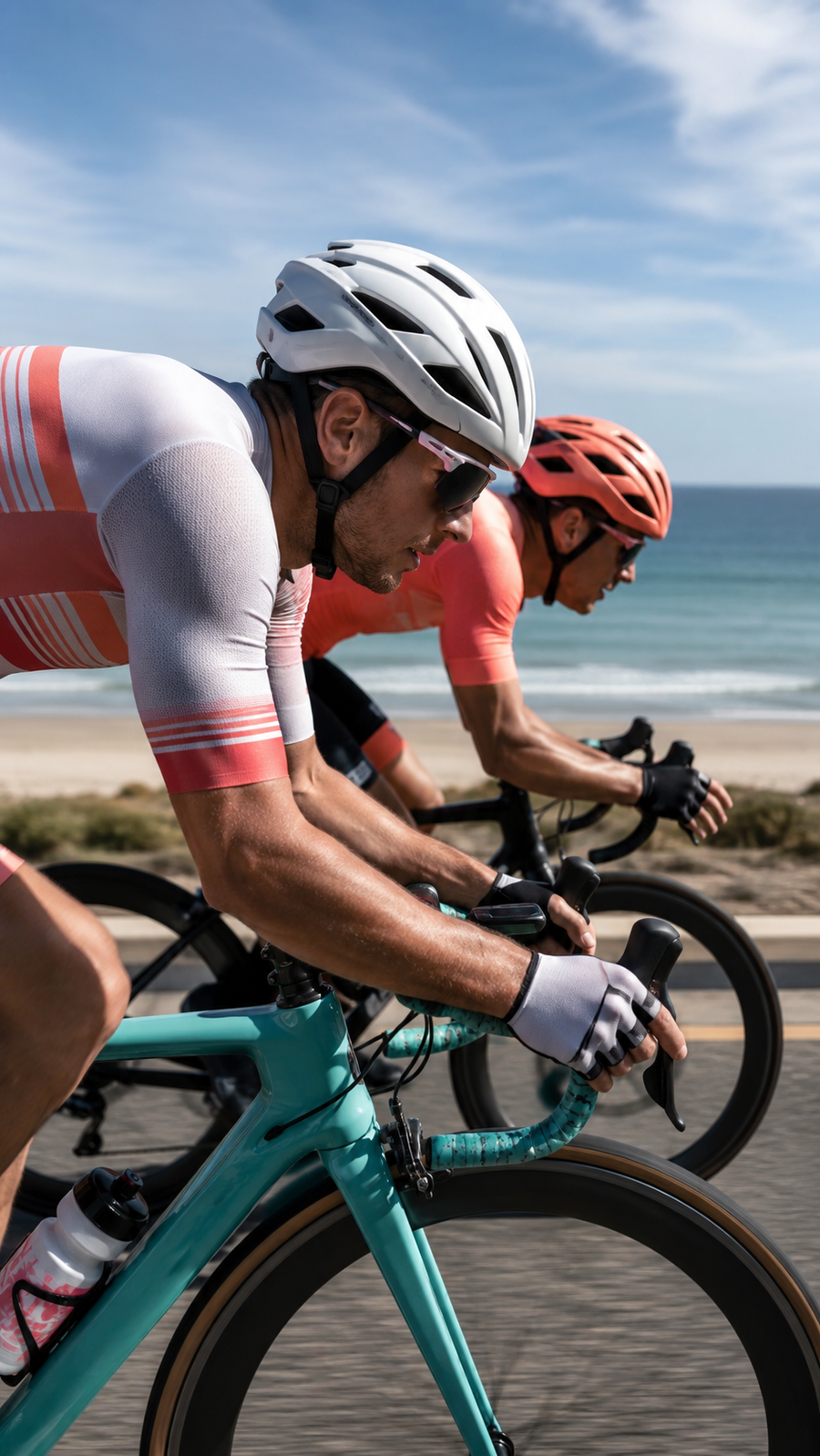
Here’s a scene from Garmin’s own forum. A rider called tomas did a five-hour ride, recorded on his Edge with a power meter, every second of it. Then he looked at his Body Battery: “shows no decrease despite the big effort on the bike.”
The ride went in. The recovery didn’t move, because the score lives in his watch, and the watch wasn’t the thing on the bars.
The amount of times I have asked cyclists if they’re tracking their recovery, they’ve told me yes, they’ve got a Garmin. Then I ask, “How often do you wear it?” “Sometimes during the day, sometimes I don’t wear it at all.” That’s not tracking. That’s a big bulky uncomfortable watch on a charger while the night it should be reading goes by.
And even when it’s on, it’s watching a portion. Real recovery breaks down into three components: nutrition and hydration, sleep, and training load control, which is a function of your training plan. A watch reads HRV, and, on the nights you wear it, sleep.
It has never seen a meal, and it doesn’t hold the plan. Sports science has said for a decade that no single marker tells you whether you’ve recovered; you need several, judged together. A wrist device gives you one, from a wrist that, according to a brand’s own representative, gets its blood flow restricted the moment you grip the bars.
If your cycling is not a function of a training plan that’s built off and iterated on your sleep, your stress and your nutrition, tied into your actual training, then you indeed are not recovering correctly, which is almost guaranteed to impact your performance. That’s the test every device below was put through.
Quality grade: VERY GOOD

HELIOS + THRIVE
Every night, all three inputs, and the plan changes
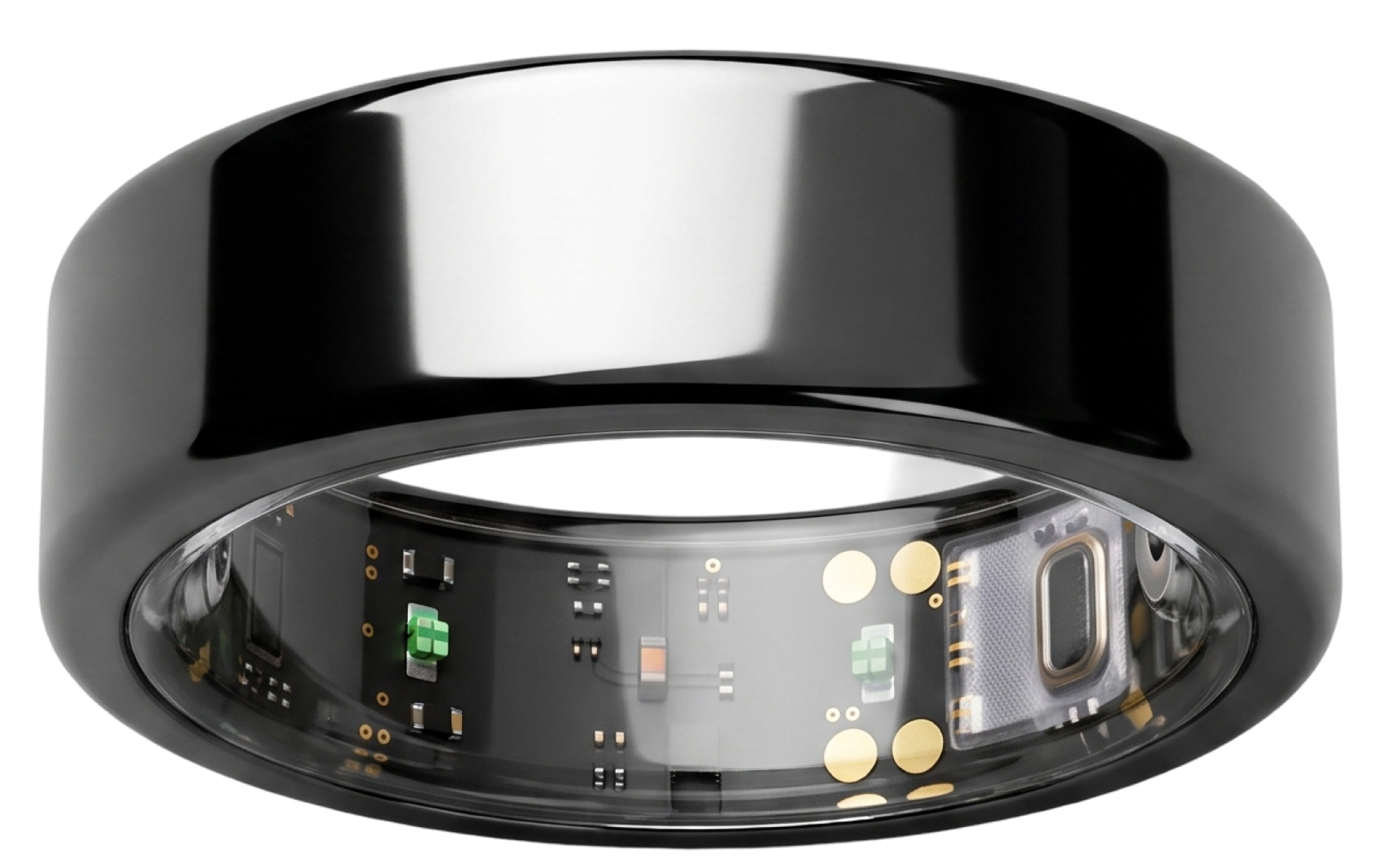
- HELIOS is a thin titanium ring, 3 to 4 grams, 7 to 10 days on a charge.
- It came off twice in four months, both times to charge, so it was on every night of the test.
- That’s the first criterion done before the software starts.
- The THRIVE app is where the watch never went.
- Marco, the coach inside the app, proposes tomorrow off all three inputs. You approve.
- Power on the bike is estimated, and adaptation is once a day, in the morning, never mid-ride.
⚠ Your phone is the ride screen
A titanium ring worn every night, feeding an app that already holds your plan and your food log.
30-day money-back guarantee.
iOS + Android.
Expert knowledge: what one number can’t do
“There is yet to be a single, definitive marker described in the literature.”
That’s the sentence under this whole test. A readiness score is one marker. In 2016 a team led by Clint Bellenger pooled every earlier study on the specific marker most scores lean on, and went further: resting HRV alone is largely unaffected by overreaching. Read those two papers and you’ll see why a watch can be right about HRV and still tell you nothing about whether you’re recovering.
— Shona Halson, Sports Medicine, 2014, reviewing every marker of training load and fatigue
Sees the nights you remembered to wear it, never sees a meal, and gives you a score the plan ignores.
Reads every night, knows what you ate, counts load as cost, and changes tomorrow’s session with your approval.
Four questions, weighted equally: nights captured, inputs read, plan changes, asks first. Sensor accuracy is never scored, on purpose. The question isn’t which device measures best. It’s which one sees enough of the day to make a decision, and then makes one.
Garmin Fenix 8 (with an Edge 1050)
Buy the watch too, says Garmin
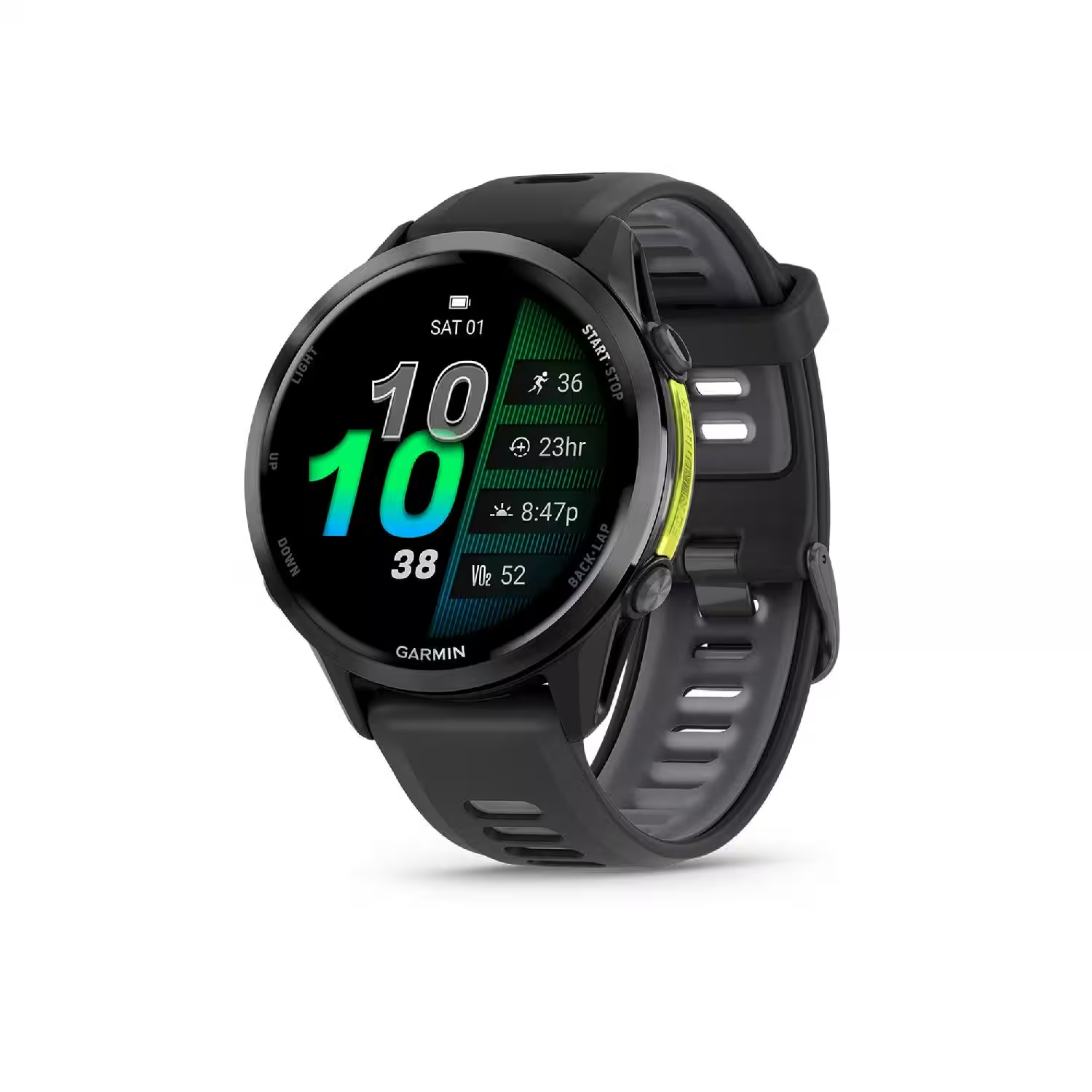
Garmin’s own blog explains that Training Readiness and Body Battery come from the smartwatch, not the Edge. So the ride lives on the bars and the recovery lives on the wrist, and the two only meet if the watch was on. A Garmin owner on the company’s forum: “I can look at my watch in the middle of the night but it thinks I am asleep.” James, the coach at Nutrition Triathlon, called the readiness number “all simply guesswork.” It never sees a meal, and when the number arrives, the plan stays as written.
- ✓ A morning number
- ✓ Maps on the Edge
- ⚠ Only on the nights you wore it
- ⚠ One input of three
- ⚠ Plan doesn’t change
WHOOP
Worn all day. On the wrong wrist.
Worn continuously, which is its strength and its problem. WHOOP’s own Reddit representative, in writing: “When gripping handlebars, blood flow in the wrist gets restricted, which can cause lower HR readings for wrist-based sensors like WHOOP.” A 2017 study found only three of five wrist devices reached acceptable heart-rate agreement during cycling. It never sees food and it doesn’t move a session. Strain is reported. Nothing changes.
- ✓ On every night
- ✓ Built around a recovery score
- ✓ Reports strain and sleep
- ⚠ Wrist, on a bike
- ⚠ No food
- ⚠ No plan to change
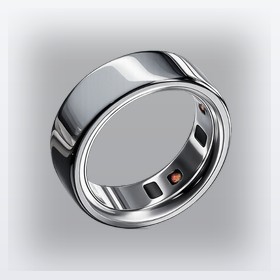
Oura
A ring that reports the night. Not a coach.
The right form factor, aimed at general wellness rather than a training block. No cycling load model, no food input that feeds a plan, and when the readiness score lands, nothing in your week moves. It’s on every night. That’s where it stops.
- ✓ On every night
- ✓ Reports sleep
- ✓ Long battery
- ⚠ No training load model for cycling
- ⚠ No food
- ⚠ Nothing changes
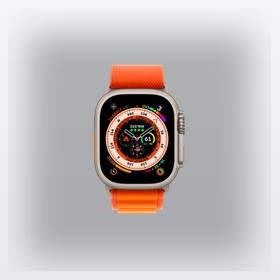
Apple Watch
On the cable on the night that mattered
It charges every night, which means it’s off on exactly the night it should be reading. No cycling-specific load model, no food, nothing that changes a session. An Apple Watch won’t cut it. It records what you did. It can’t tell you why.
- ✓ General health
- ✓ A large app ecosystem
- ✓ Screen and build
- ⚠ Charges nightly
- ⚠ One input, rarely captured
- ⚠ Nothing changes
The Editorial Verdict: Why the Number Hasn’t Moved
The uncomfortable finding after four months is that the devices aren’t the problem. Every one of them records what it’s pointed at.
None of them is pointed at the whole day, and only one turns what it sees into a change in the plan. Food fell out of every wrist device entirely.
It’s a third of the picture and it lives in an app that has never spoken to the one making the call. Sleep, the thing these devices do, only counts on the nights you wear them, and a sixty-gram watch gets taken off.
Load is counted as output, never as what it cost you. A bulky ugly sports watch is not the answer.
You need something comfortable enough and versatile enough to be worn 24/7. A thin, premium, lightweight titanium smart ring is that thing, and an app that holds the plan, the food and the ride next to it is what turns the ring into a coach.
In 2026 there is no other product that can see every necessary data point, tie it all together, and give you one consolidated feedback loop. If you think your Garmin watch is giving you the recovery numbers you need, this was your reality check.
HELIOS + THRIVE: The test winner
Sleep, training and food in one number, every night, with a week that changes when you say yes.
Go to test winner →Frequently asked questions before you buy
The ring measures 24/7. The phone is the ride screen. THRIVE plans, fuels and adapts. Power is estimated, so keep the meter if you race on watts.
Keep it. HELIOS is a closed system on purpose: nothing to pair, nothing to reconcile.
Free sizing kit first. Then 30 days from delivery for a full refund.
Reader discussion
7 posts*Counted my nights honestly after reading this. The watch was on maybe two a week.
I’d been planning my whole block off an estimate.
Does the ring actually record the ride, or do I still need the Edge?
The ride computer is in the THRIVE app on your phone: climbs, cadence, heart rate, routes, group rides, and it feeds the plan. Power is estimated, not metered. I kept the Edge on the bars for maps on routes I don’t know, but it doesn’t talk to the ring and doesn’t need to.
The wrist-grip thing explained two years of weird ride heart rates. Finger’s been fine.
Food in the number was the surprise. The watch never asked what I’d eaten.
It moved my Tuesday intervals after a bad night. The Fenix would have given me a 41 and left me to work it out.
Cycling Performance Hub may earn a commission on purchases made through links on this page. Reader discussion posts are illustrative.