Your Cycling Game Isn’t Improving. I’ll Tell You Why Right Now.
Every cyclist has the same problem, just reskinned in a different way. Climbs not improving, sluggish on the ride, tired, sore, can’t lose weight, FTP stuck. You keep doing the same thing, thinking you have to try harder, or you put it down to getting older. It’s none of those. It’s simply because you are not recovering properly. I tested five ways of fixing that on the same legs for four months. One of them found the cause.
 By Tom Ashcroft, Test Editor
Here’s a scene. It’s Sunday night. You’ve done the week: two interval sessions, one long ride, an easy spin. Every session went in the calendar as planned. You open the app to see the week graded and it’s green. And you’re not faster. You weren’t faster last month either.
A rider on r/cycling described the version of this that scares me most. He asked how to avoid overtraining, and then explained he can’t: “I usually just keep going day after day until my body stops recovering.” He doesn’t find out until a week of weak legs tells him. Nothing in his setup told him first.
That’s the problem underneath every version of “not improving.” Recovery is three things, how you slept, how much load you’re carrying, and what you ate, and almost everything a rider owns watches part of one of them. The ride gets recorded to the second.
The twenty-two hours that decide whether the ride counted go unrecorded. So the plan keeps running, the rider keeps trying harder, and the number keeps sitting still.
And people have been completely deceived about what fixes it. Recovery is not buying a generic health tracker, thinking you’re tracking your sleep, and having a free AI model hallucinate the data back at you.
It’s not more volume, and it’s not your age. It’s a plan that knows how you recovered, every morning, and changes when you didn’t.
Quality grade: VERY GOOD
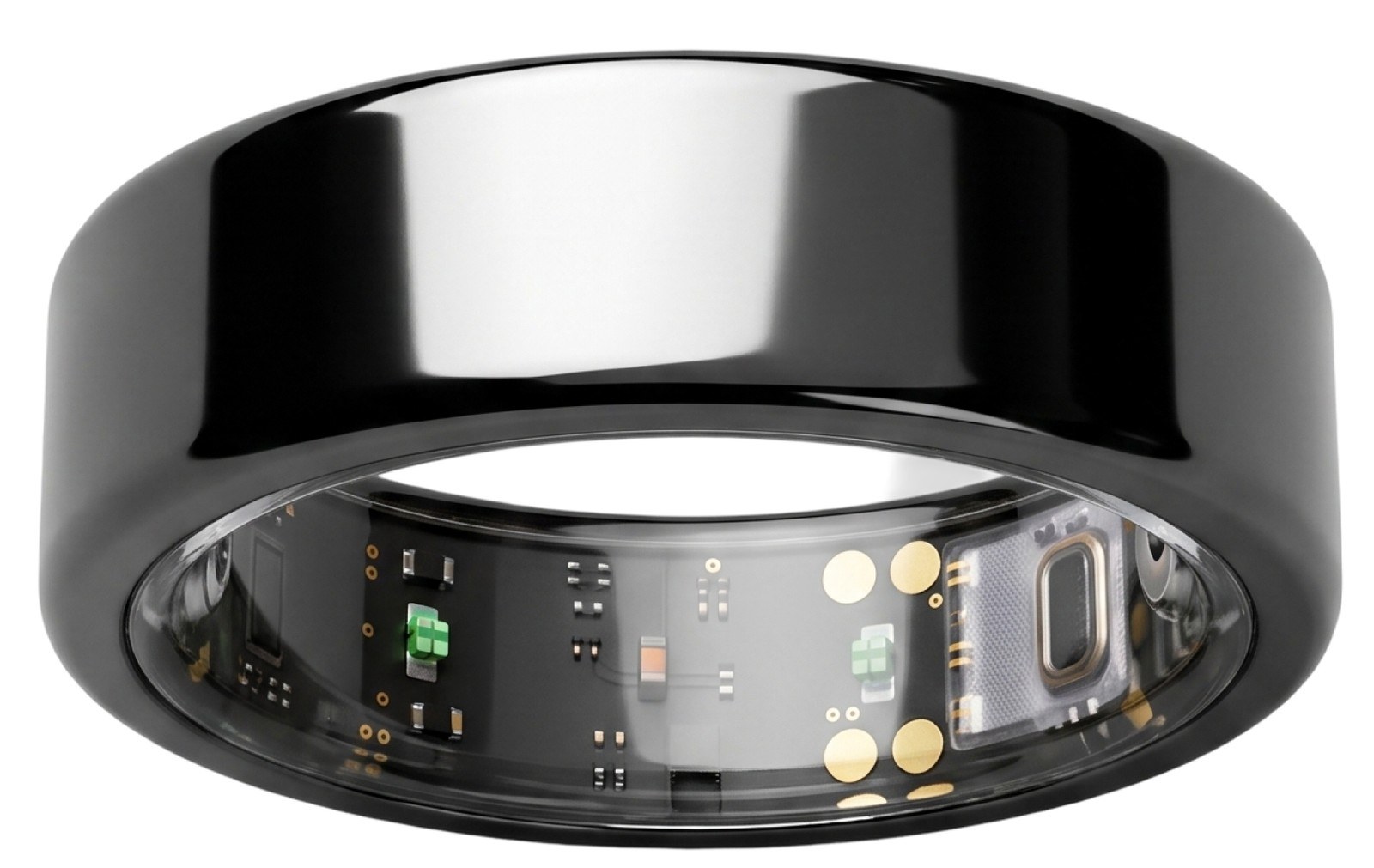
HELIOS + THRIVE
The only one that reads all three inputs and does something about them
- THRIVE’s claim is that in 2026 no product on the market could see every necessary data point, so they built one.
- After four months I think the claim holds, and here’s why.
- HELIOS is a titanium ring, 3 to 4 grams, a week or more on a charge.
- It reads sleep, heart-rate trends and skin temperature.
- Marco, the coach inside the app, proposes tomorrow. You approve.
- Power on the bike is estimated, and adaptation is once a day, in the morning, never mid-ride.
⚠ Your phone is the ride screen
One ring, one app, and the phone you already carry, holding your plan, your food and your night.
30-day money-back guarantee.
iOS + Android.
Expert knowledge: what recovery actually is
“An adequate balance between stress (training and competition load, other life demands) and recovery is essential for athletes to achieve continuous high-level performance.”
— Kellmann et al., consensus statement from a 2016 Munich symposium of seventeen recovery researchers, IJSPP 2018
Each device adds one number and stops. Five confident numbers that don’t talk to each other, and a plan you wrote yourself on Sunday.
Three inputs judged together, a proposal for tomorrow, and a week that reflows once you say yes.
Four questions, weighted equally: sees the night, sees the fuel, changes tomorrow, asks first. We don’t score sensor accuracy, on purpose. The question isn’t which device measures best. It’s which one does something with what it measured.

A human coach
The right idea, with a blind spot 22 hours wide
This is why the only cyclists that actually see marginal performance are the ones that get coached: somebody else reads the week and makes the call. It works. It’s also very expensive, and it’s limited by how much data your coach can actually see. A coach on r/Velo put his own ceiling in writing: “I got overwhelmed with 150+ DMs and might have missed or forgotten something.” He reads what you type. He can’t read the night you didn’t mention.
- ✓ Changes the plan for a reason
- ✓ Asks first
- ⚠ Sees only what you report
- ⚠ Cost
- ⚠ One human, many riders

TrainerRoad
Executes the plan. Never sees the rider.
Adaptive Training adjusts your next workouts off how the last ones went. That’s the whole input: ride files. Nothing about sleep, nothing about food. A bad week from under-recovery reads as “you got weaker,” and the adaptation aims at the wrong problem. Its own users have asked for sleep-based adjustment on its forum since 2019.
- ✓ Workout library and progression
- ✓ Indoor execution
- ⚠ Blind to the night
- ⚠ Blind to food
- ⚠ Adapts without asking
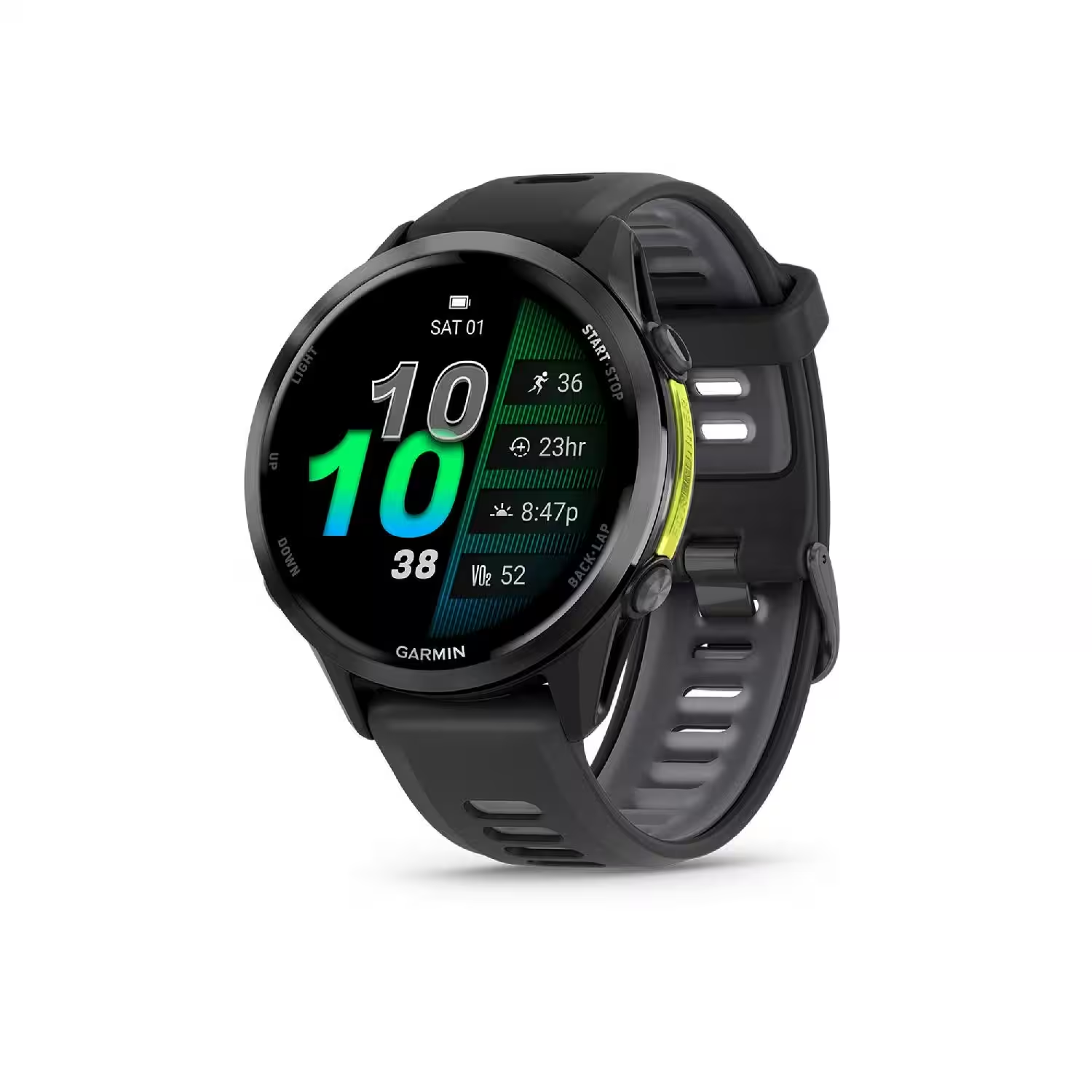
Garmin Fenix 8
A morning number with nowhere to go
The watch gives you a readiness score, built from the watch, on the nights you wore it. It has no plan to change and has never seen a meal. So the score arrives and the decision is still yours. It records. It doesn’t decide.
- ✓ A daily number
- ⚠ From one device, only when worn to bed
- ⚠ No plan attached
- ⚠ No food
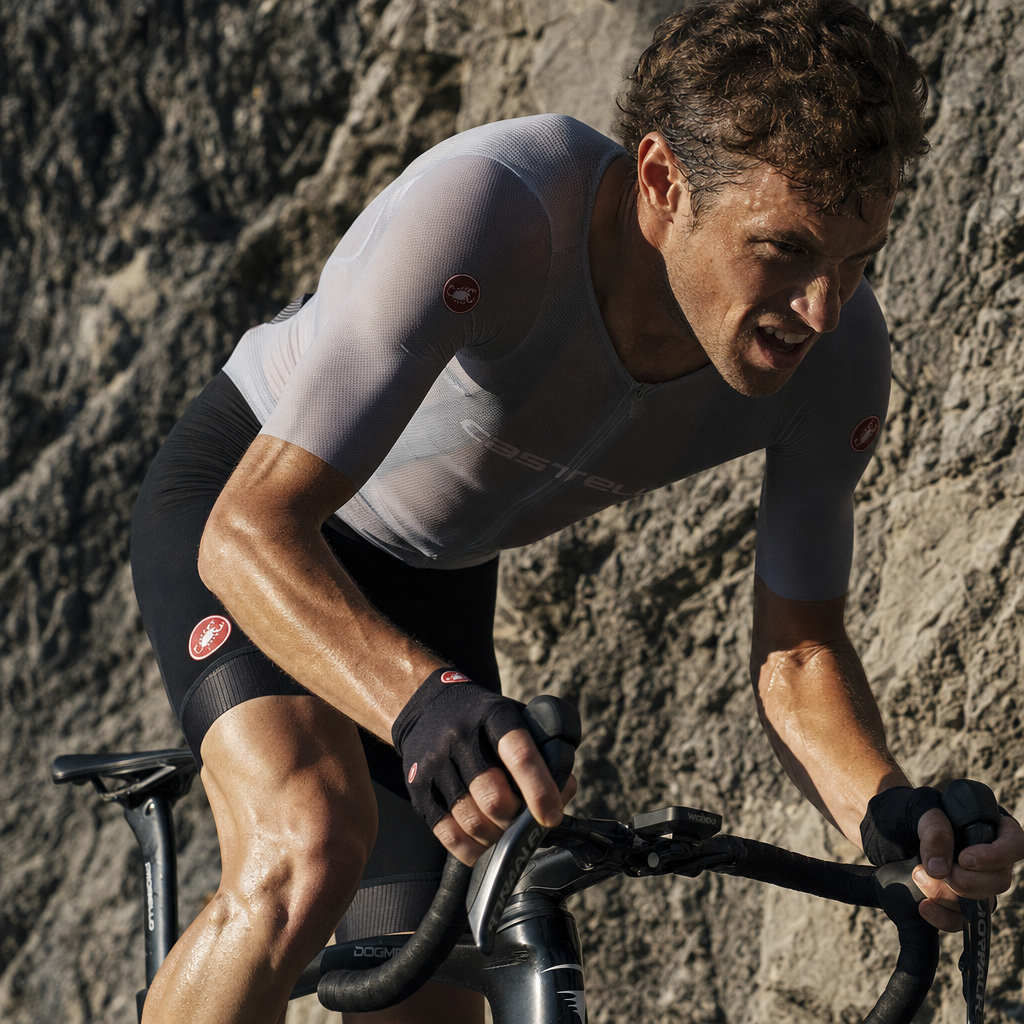
“Train harder”
Free, and the most reliable way to stay where you are
A 2013 study in the Journal of Applied Physiology put trained cyclists through six weeks mostly easy with a small slice hard, and six weeks mostly medium. The easy-plus-hard block produced greater adaptation. Mostly medium didn’t. “Train harder” is how a rider ends up mostly medium: when you can’t tell which day is the hard day, every day becomes one.
- ✓ Costs nothing
- ⚠ Removes the recovery the plan needed
- ⚠ No signal for which day to go hard
- ⚠ Confirms the plateau
The Editorial Verdict: Who Decides?
The uncomfortable finding after four months is that the training was never the problem. Every option on this list can deliver a good session.
Only one of them can tell you whether you were recovered enough for it to count. A rider on YouTube, replying to a video about training plans, wrote something that got more likes than almost anything else on the page: “even a mediocre plan is almost always better than no plan at improving FTP.”
He’s right. The next step up from a mediocre plan isn’t a harder one. It’s a plan that knows how you recovered.
That’s what separated the winner. Not the ring, though the ring is the reason the night gets read.
The system behind it: plan, fuel and recovery in one place, a coach that proposes, and a rider who approves. If you’re doing the work and not getting the results you want, it’s probably not your training.
Stop training harder. Start recovering on purpose.

HELIOS + THRIVE: The test winner
One ring, one app, one decision — with the plan that answers to your recovery
Go to test winner →Frequently asked questions before you buy
The ring measures. The phone is the screen. THRIVE plans, fuels and adapts. Power is estimated, so if you race on watts, keep the meter.
No. Marco proposes, once a day, in the morning. You approve. Nothing moves mid-ride.
A free sizing kit ships first, so the size is right. Then 30 days from delivery for a full refund.
Reader discussion
7 posts*Eighteen months at the same FTP. I’d blamed volume, then age. Turns out I was doing every hard day on four hours’ sleep because that’s when the kids let me train.
The morning after I put the ring on it proposed moving Tuesday. First time anything had.
Honest question: does it actually work outside, or is this an indoor thing?
Outside is where I tested it. The ride computer is in the app, on your phone: climbs, cadence, heart rate, routes, group rides. Power is estimated rather than metered, which is the one thing to know if you race on watts.
The food part was the surprise. I’d never fuelled interval days differently. It flagged it in week two.
I kept my coach. She gets a rider who’s actually recovered now. Both of us are happier.
Ring on, forget it, one number in the morning, tap approve. That’s the routine. The number moved in the first block and I did fewer hours to get there.
Cycling Performance Hub may earn a commission on purchases made through links on this page. Reader discussion posts are illustrative.